Every ball we sell is anti-burst rated, and the phrase gets used loosely enough across the industry that it is worth explaining what it does and does not promise.
What it means
A standard single-layer ball under pressure behaves like a balloon. Puncture it and the tear propagates instantly across the whole shell. If you are sitting on it, you hit the floor from seat height with no warning.
An anti-burst ball is built from multiple bonded layers with a fibre matrix between them. A puncture opens a hole, but the matrix stops the tear spreading. Air escapes through the hole alone, which takes minutes rather than milliseconds.
What it does not mean
- It is not puncture-proof — it fails gracefully, it does not refuse to fail
- It does not raise the load rating on its own
- It does not help against heat, which softens the shell regardless of construction
Practical takeaway
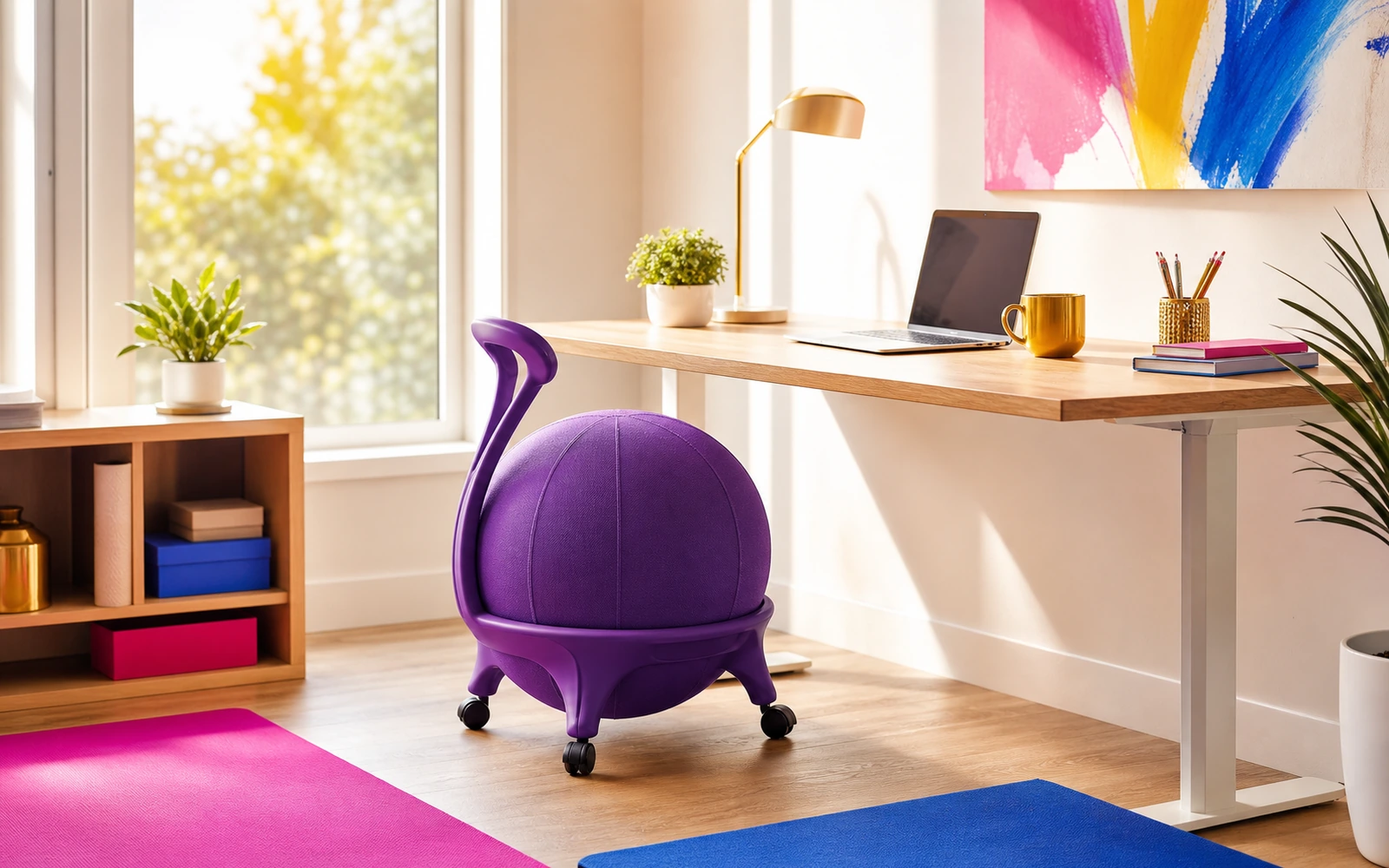
If the ball will ever hold your full bodyweight at height — desk sitting, birthing work, bridges — anti-burst is not optional. For a soft 25cm pilates ball squeezed between the knees, it is irrelevant, which is why we do not build it into those.